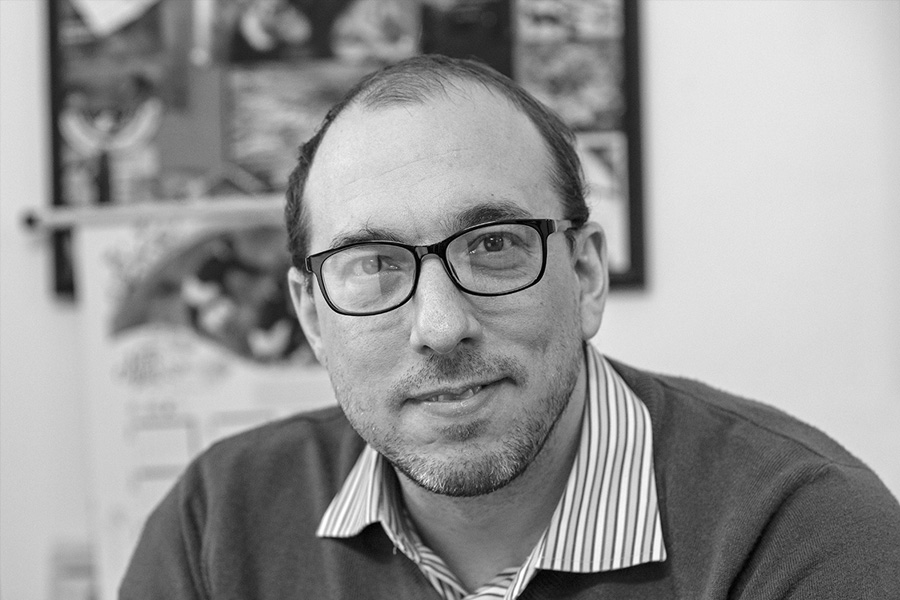
A name carried by both heritage and fieldwork
Josh Kempinski’s public life flows like a river through diverse landscapes. It originates in a famous artistic family and cuts across woods, wetlands, and protected environments throughout Asia, Africa, and the Middle East. He goes beyond his famous parents. Conservationist, he has worked on species recovery, protected areas, REDD+, climate policy, and nature-based planning. The combination makes his narrative unusually complex.
Frances de la Tour and Tom Kempinski’s son Josh Kempinski is publicly identified. He is also linked to sister Tamasin Kempinski. He is related to his uncle Andy de la Tour and his maternal grandparents Charles and Moyra de la Tour. I value that family web because it depicts him as a familiar figure brought into a different public life. The theater and forest may appear different, but both require presence, discipline, and pressure tolerance.
Given Frances de la Tour’s fame as an actress and Tom Kempinski’s playwriting and screenwriting, his family history is extensively explored. So Josh grew up around innovation, visibility, and public attention. It looks he opted not performance. It was stewardship. His life changes with that decision. Fieldwork, policy, and long hours replace attention and praise in circumstances where success is judged in habitat protected rather than headlines garnered.
A career built in the wild, not the boardroom
Josh Kempinski’s public career record reads like a map with many coordinates. He has worked in Vietnam for many years, with a focus on species conservation and protected area management. Public descriptions place him in that region from 2004 to 2022, most often associated with Fauna & Flora International. That kind of longevity matters. Conservation is not a sprint. It is a long hike through mud, heat, paperwork, and uncertainty.
I think what stands out most is the breadth of his focus. He has been associated with forests, mangroves, climate and nature links, hydropower concerns, and REDD+. That is a wide lens. It suggests a person who does not treat conservation as a single issue, but as an ecosystem of problems and solutions tied together by policy and people. In practical terms, that means species protection is never just about one animal. It is about land use, local livelihoods, hydrology, enforcement, energy choices, and the slow choreography of institutions.
He also appears to have spent time in Liberia, Mozambique, Greece, Belize, the Philippines, Cambodia, and Vietnam. That global spread is telling. It suggests he has worked in places where conservation is not abstract. It is lived, contested, and sometimes fragile. In such settings, expertise is only part of the task. Relationships matter. Trust matters. So does the ability to work across cultures without flattening their differences.
A public record also connects him to the Royal Commission for AlUla in Saudi Arabia, where he worked on wild and natural heritage. More recently, he has been publicly linked to WWF-UK in a leadership role around design and impact. That is a notable shift in emphasis. It sounds less like moving away from conservation and more like widening the lens again, from project delivery to organizational shaping. In a sense, his career feels like a series of concentric rings. Each one expands outward, but the center remains environmental care.
Work achievements that leave traces in the record
Josh Kempinski’s achievements appear in the form conservation often prefers: reports, project records, publications, and field outcomes. He has been named as a co-author on conservation papers and associated with work on forests, rare primates, wildlife poaching, protected areas, and landscape scale planning. I see that as evidence of a career built on both practice and reflection. He is not only doing the work. He is helping document and interpret it.
One of the most striking features of his record is his connection to Vietnam’s biodiversity work. Public materials describe his involvement in primate conservation, forest protection, and discoveries linked to rare species. These are the kinds of accomplishments that do not always produce a single dramatic before and after image. Instead, they accumulate. A protected corridor here. A better policy there. A new awareness campaign. A habitat safer than it was last year.
He also led a Darwin Initiative project from 2021 to 2024 focused on safeguarding globally important forests by improving livelihoods. That phrase tells me a lot. It shows he understands the central tension in conservation: the need to protect nature while making room for human dignity and local opportunity. The most effective work in this space often happens where those two goals are treated not as rivals, but as partners.
His public writing and speaking also suggest a person with a strong communication instinct. Conservation leaders often need that. They have to translate a complex reality into language that governments, donors, communities, and scientists can all recognize. Josh Kempinski seems to operate in that space, where field science meets strategy and persuasion.
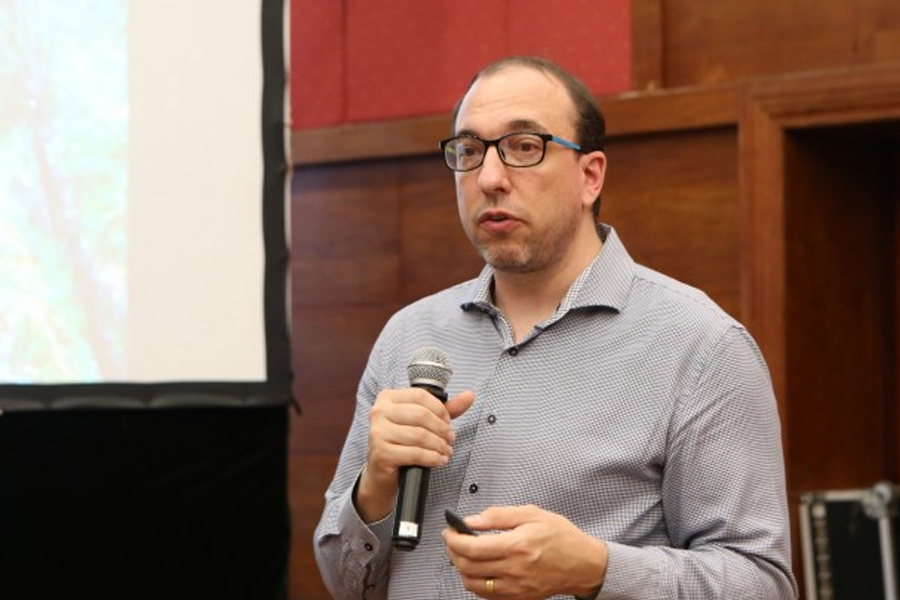
Family members and the shape of influence
Josh Kempinski’s most prominent relative is Frances de la Tour. She is his mother and has a long artistic career. That doesn’t define Josh in familial terms, but it shows his upbringing. A household where language, timing, and public identity were always present.
That foundation includes his father, Tom Kempinski. The family portrait gains another literary and theatrical element with his presence. Josh’s move toward conservation appears deliberate, not a break from seriousness, given his parents’ innovative public life. Another vocation.
His sister Tamasin Kempinski completes the public family image. His maternal grandparents, Charles and Moyra de la Tour, are also related. The roots beneath the visible branches are the older line layer. Andy de la Tour, his maternal uncle, is another public artist. As a whole, the family suggests talent and fame.
I don’t define Josh by his relatives. Sometimes family is our first map. His journey depicts what happens when someone redraws an inherited map for a different landscape. He chose forests, mountains, reserves, and conservation tables with statistics and plans over theater lights.
Recent public mentions and social presence
Recent public mentions place Josh Kempinski in transition. He has been publicly linked to advisory work, conservation leadership, and a recent shift in roles. That kind of movement is common in careers shaped by international conservation. People move from one landscape to another, carrying expertise like a well packed field kit. The work changes shape, but not direction.
Social media mentions suggest he remains visible within conservation circles, especially where organizational announcements and professional milestones are concerned. That visibility matters because modern conservation depends not only on science but on networks. A project gains life when people can see it, discuss it, and carry it forward.
FAQ
Who is Josh Kempinski?
Josh Kempinski is a conservation professional publicly associated with work in Vietnam, Saudi Arabia, and other regions. He has worked on species conservation, protected areas, REDD+, forests, and landscape scale environmental planning.
Who are Josh Kempinski’s family members?
Publicly, his family connections include his mother Frances de la Tour, his father Tom Kempinski, his sister Tamasin Kempinski, his maternal grandparents Charles de la Tour and Moyra de la Tour, and his maternal uncle Andy de la Tour.
What kind of work has Josh Kempinski done?
He has worked in conservation field roles, protected area management, climate and nature policy, forest protection, mangrove systems, and projects that connect biodiversity with local livelihoods.
Where has Josh Kempinski worked?
His public record connects him to Vietnam, Saudi Arabia, and earlier conservation work in countries including Liberia, Mozambique, Greece, Belize, the Philippines, and Cambodia.
Why is Josh Kempinski notable?
He is notable for combining a high profile family background with a long career in international conservation. His work spans field practice, project leadership, and environmental strategy, which gives his profile unusual range and depth.
Is Josh Kempinski mainly known for family background or career?
He is publicly known for both, but his career stands on its own. The family background is significant, yet his conservation work gives his public identity its own shape and weight.
Homegrown Harvest Top Vegetables For A Thriving Garden
How An Old Door Creates Bigger Problems Like Drafts And Security Risks
What Homeowners Should Anticipate About The Foundation Repair Process
Top 8 Baby Shower Gift Basket Companies In Canada In 2026
Ways Ai Garment Design Software Makes Fashion Design More Efficient